Staying Safe While Online Dating: Red Flags, Scams, and Protection Strategies
Online dating opens doors to meaningful connections, but it also requires vigilance and smart safety practices. With romance scams costing victims over $1.3 billion last year alone, protecting yourself while dating online has never been more critical. This comprehensive guide will arm you with the knowledge to date safely and confidently.
Understanding the Online Dating Safety Landscape
The online dating world has transformed how we find love, but with opportunity comes risk. Scammers have become increasingly sophisticated, targeting emotional vulnerabilities with elaborate schemes. The good news? Most dangers are entirely preventable with the right knowledge and precautions.
Recent FBI data shows that people over 50 account for the majority of romance scam victims, not because they’re naive, but because scammers specifically target those perceived to have more assets and potentially less technical expertise. Understanding these tactics is your first line of defense.
Never send money, gift cards, or financial information to someone you’ve only met online – no matter how long you’ve been talking or how genuine they seem. Legitimate romantic interests will never ask for financial help before meeting in person.
Recognizing Red Flags: The Warning Signs You Can’t Ignore
The Too-Good-To-Be-True Profile
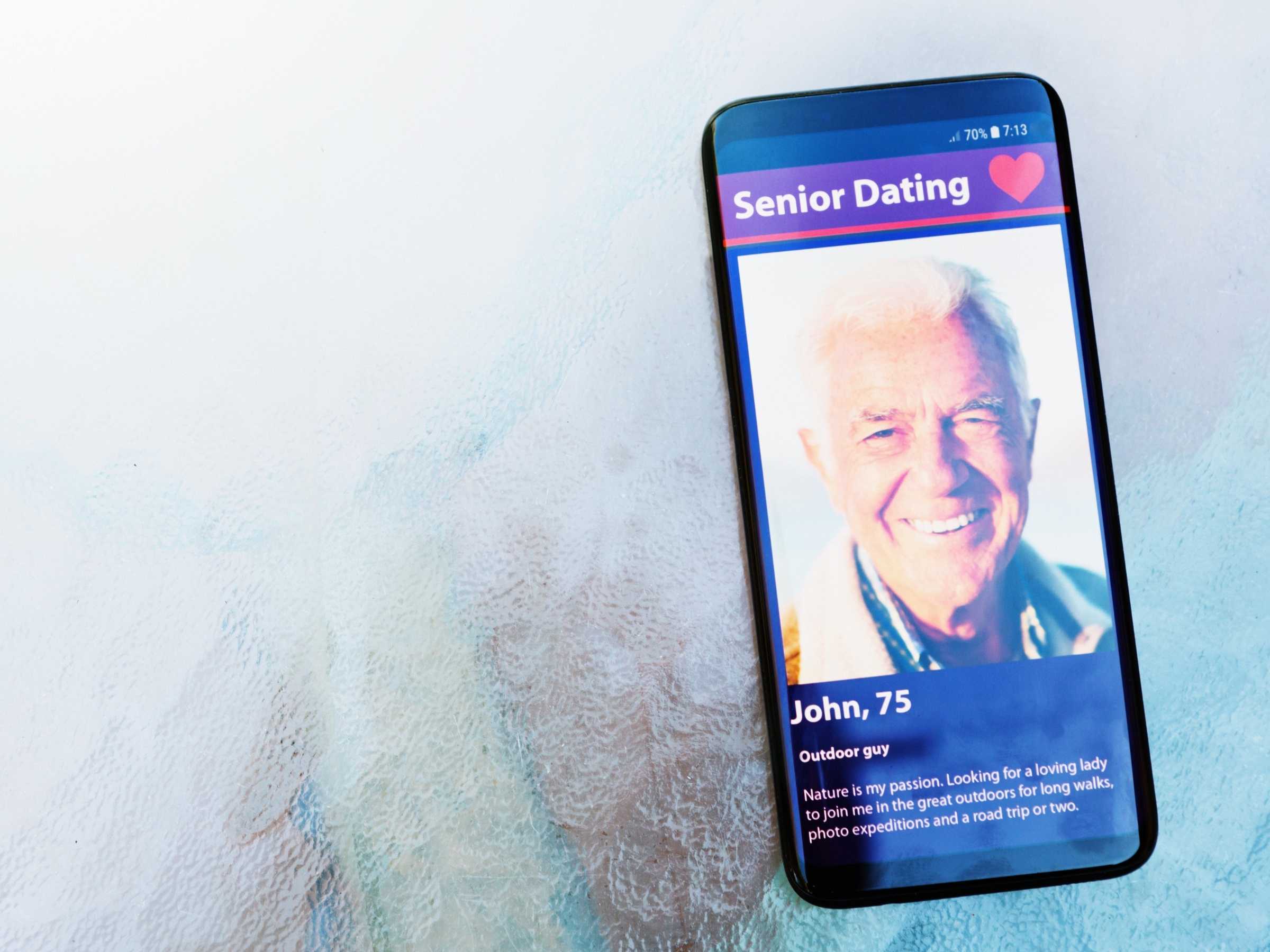
Scammers often create profiles designed to be irresistible. They typically claim prestigious careers that explain irregular communication (oil rig worker, international businessman, military deployment) and use professionally shot photos that seem almost too perfect. These photos are usually stolen from other sources.
Watch for profiles that seem to check every box of what you’re looking for. Real people have flaws, quirks, and specific details. If someone seems like they were custom-designed for your preferences, proceed with extreme caution.
Communication Red Flags
Legitimate matches develop naturally over time, but scammers follow predictable patterns:
Immediate intensity: Declarations of love within days or weeks, before you’ve even met. They push for emotional intimacy at an unnatural pace because emotional attachment makes victims more likely to comply with requests.
Moving off-platform quickly: Scammers want to move communication to text, email, or WhatsApp immediately. Dating platforms can detect and ban suspicious accounts, so scammers prefer unmonitored channels.
Inconsistent stories: Details about their life, work, or location change. They forget previous conversations or contradict themselves because they’re managing multiple victims.
Poor grammar with sophistication: Many scams originate overseas. You might notice oddly formal language mixed with basic grammar mistakes, or phrases that seem copied and pasted.
The Anatomy of Common Dating Scams
The Emergency Scam
After weeks of building trust and emotional connection, your match suddenly faces a crisis. Their child needs emergency surgery. They’re stuck overseas without access to funds. Their business deal fell through, threatening their livelihood. The stories are designed to trigger your protective, caring instincts.
These emergencies always require immediate financial help and promise quick repayment. Once you send money, new emergencies arise, each more urgent than the last. Victims often send multiple payments before realizing the truth.
Romance scammers are skilled manipulators who study their victims carefully. They mirror your interests, values, and communication style. They remember details about your life and use them to build false intimacy. Understanding their tactics helps you recognize manipulation before emotional investment clouds your judgment.
The Investment Opportunity
Your successful, financially savvy match wants to share an incredible investment opportunity. They’ve made substantial returns through cryptocurrency, foreign exchange, or exclusive trading platforms. They offer to help you invest, sometimes even showing fake portfolio screenshots showing massive gains.
These scams are particularly effective because they don’t feel like traditional requests for help. Instead, they’re positioned as opportunities you’re lucky to access. Victims often invest increasingly large sums chasing promised returns that never materialize.
The Intimate Photo Extortion
After exchanging intimate photos or engaging in video chat, your match threatens to share the content with your family, friends, or employer unless you pay. This devastating scam preys on shame and fear, with victims often paying multiple times to prevent exposure.
Safety Features Comparison: Major Dating Sites
Your Protection Protocol: Essential Safety Measures
Before You Match
Choose reputable platforms: Major dating sites invest heavily in safety features, moderation, and fraud detection. While no platform is perfect, established sites offer better protection than unknown or free-for-all platforms.
Protect your profile: Use recent photos that don’t appear elsewhere online (scammers can reverse-search images). Avoid including identifying information like your workplace logo, street signs, or license plates in photos. Keep specific location details vague.
Set boundaries early: Decide what information you’ll share and when. Having predetermined boundaries helps you resist pressure in the moment.
During Initial Communication
Stay on the platform: Legitimate matches understand the safety of platform messaging. Anyone pushing to move off-platform immediately should raise suspicions.
Verify through video: Before emotional investment deepens, insist on a video call. Many scammers use stolen photos and will make excuses to avoid video. Even a brief video chat confirms the person matches their photos.
Google everything: Search their name, details from their stories, and even phrases from their messages. Scammers often reuse content across victims. Reverse image search their photos using Google Images or TinEye.
Trust inconsistencies: If something feels off, it probably is. Your subconscious often detects patterns your conscious mind misses. Don’t explain away red flags.
✓ Green Flags: Signs of Legitimacy
- Consistent, verifiable details
- Willing to video chat early
- Respects your boundaries
- Local references make sense
- Natural conversation flow
- Patient with meeting timeline
- Never mentions money
✗ Red Flags: Warning Signs
- Love declarations within weeks
- Refuses video calls
- Pushes for personal info
- Stories don’t add up
- Always has emergencies
- Mentions money problems
- Gets angry when questioned
Meeting Safely in Person
Planning the First Meeting
When you’re ready to meet someone in person, safety remains paramount. Choose public locations like coffee shops, restaurants, or museums for initial meetings. Avoid isolated areas, your home, or theirs. Plan daytime meetings when possible, as they feel less intimate and provide natural endpoints.
Tell a trusted friend or family member about your plans. Share your date’s name, phone number, and profile information. Set up a check-in system where you’ll text at specific times. Some people use safety apps that alert emergency contacts if you don’t check in.
During the Date
Meet at the location rather than accepting rides. This ensures you can leave independently if needed. Keep your phone charged and accessible. If you feel uncomfortable at any point, trust that instinct and leave. You don’t owe anyone an explanation for prioritizing your safety.
Watch for controlling behavior, anger at boundaries, or pressure for physical intimacy. Someone who respects you will understand and support your safety measures. Anyone who objects to reasonable precautions is showing you their true character.
Protecting Your Financial and Personal Information
Information Security Basics
Your personal information is valuable, and sharing it prematurely can lead to identity theft, stalking, or financial fraud. Keep these details private until you’ve met in person multiple times and established genuine trust:
- Full name (first name only initially)
- Home address
- Workplace specifics
- Children’s names or schools
- Financial information
- Social Security number
- Daily routine details
Bank account numbers, credit card information, Social Security number, passwords, intimate photos/videos, copies of ID documents, financial statements, or investment account details. No legitimate romantic interest needs this information before you’ve established a real-world relationship.
Recognizing Financial Manipulation
Scammers are patient. They may chat for months before mentioning money, building emotional investment first. When financial topics arise, watch for these tactics:
Testing boundaries: Small requests first ($50 for gas) to see if you’ll comply. Once you send money once, requests escalate.
Creating urgency: Limited-time opportunities or emergencies that require immediate action, preventing you from thinking clearly or consulting others.
Isolation tactics: Claiming others won’t understand your connection, encouraging secrecy about the relationship and any financial assistance.
What to Do If You Suspect a Scam
Immediate Actions
Stop all communication immediately. Don’t announce your suspicions or confront them – simply block and cease contact. Scammers often escalate manipulation when they sense victims pulling away.
Document everything. Save all messages, emails, photos, and transaction records. This evidence helps authorities track scammers and may help recover funds.
Report the profile to the dating platform immediately. Most sites have reporting mechanisms that trigger investigation and can prevent others from being victimized.
Reporting and Recovery
File a report with the FBI’s Internet Crime Complaint Center (IC3) at ic3.gov. Also report to your local police, even if they say they can’t help – documentation matters.
If you sent money, contact your financial institution immediately. While recovery is difficult, quick action improves chances. If you used gift cards, contact the card company. For wire transfers, contact the transfer company.
Don’t feel ashamed. Scammers are sophisticated criminals who manipulate smart, successful people every day. Seeking support from friends, family, or counseling can help process the emotional impact.
FBI Internet Crime Complaint Center: ic3.gov | Federal Trade Commission: reportfraud.ftc.gov | AARP Fraud Watch Helpline: 877-908-3360 | Better Business Bureau Scam Tracker: bbb.org/scamtracker
Building Emotional Resilience
Maintaining Healthy Skepticism
Balancing openness to love with protective skepticism isn’t cynical – it’s smart. Real connections develop gradually and withstand reasonable questions. Anyone worth your time will respect your caution and validate your safety concerns.
Remember that scammers exploit hope and loneliness. If you’re dating from a place of desperation or fear of being alone, you’re more vulnerable to manipulation. Consider whether you’re emotionally ready for dating or if building self-confidence first would serve you better.
Setting Healthy Boundaries
Establish non-negotiable rules before you start dating:
- I will never send money to someone I haven’t met
- I will video chat before emotional investment
- I will meet in public for first dates
- I will tell someone about my dates
- I will trust my instincts about red flags
Write these down and revisit them when emotions run high. Having predetermined boundaries helps resist manipulation in vulnerable moments.
Technology Tools for Safer Dating
Verification Services
Several services help verify matches’ identities. Social Catfish specializes in investigating online relationships. BeenVerified and TruthFinder offer background checks. While not foolproof, these tools add a layer of protection.
Google’s reverse image search remains one of the best free tools. Upload their photos to see if they appear elsewhere online under different names. Scammers frequently steal photos from social media or modeling sites.
Safety Apps
Apps like Noonlight integrate with dating apps, allowing you to trigger emergency services discretely. bSafe lets trusted contacts track your location during dates. These tools provide peace of mind without intruding on genuine connections.
Creating Your Safety Action Plan
Your Pre-Date Checklist
Before any in-person meeting, complete this safety protocol:
- Video chat completed and felt genuine
- Friend/family member knows date details
- Meeting location is public and familiar
- Transportation is independent
- Phone is fully charged
- Check-in times are scheduled
- Gut feeling is positive
If any element feels wrong, postpone or cancel. Your safety matters more than politeness.
Ongoing Safety Practices
Safety isn’t just about first dates. Continue protective measures as relationships develop:
- Introduce them to friends/family when appropriate
- Notice how they treat service workers and handle conflict
- Pay attention to controlling behaviors or jealousy
- Maintain your independence and friend relationships
- Keep financial accounts separate until deeply committed
Ready to Date Safely Online?
Choose from our reviewed dating sites that prioritize user safety and verification
View Safe Dating SitesMoving Forward with Confidence
Online dating safety might seem overwhelming, but these precautions become second nature with practice. Millions of people find genuine love online every year by combining open hearts with smart safety practices.
Remember that legitimate matches want you to feel safe. Anyone who respects and values you will support your safety measures. If someone objects to video calls, public meetings, or your timeline for sharing information, they’re showing you they don’t deserve your trust.
Dating should be enjoyable, not fearful. By implementing these safety strategies, you create space for genuine connections while protecting yourself from those who would take advantage. You deserve love and companionship, and you deserve to pursue it safely.
Trust yourself, protect yourself, and don’t let fear of scammers prevent you from finding meaningful connections. With knowledge, boundaries, and common sense, you can navigate online dating successfully and safely. The right person is worth waiting for, and they’ll respect your journey to find them safely.